

Against the backdrop of intensifying global climate change, resource constraints, and food safety pressures, how to promote the low-carbon transformation of agriculture while meeting people's growing demand for high-quality diets has become a common challenge faced by the international community. According to FAO data, about one-third of global food is lost or wasted during production and circulation, causing not only enormous economic losses but also a heavy burden on the ecological environment.
As the world's largest producer and consumer of agricultural products, China holds a significant market share in fresh products such as fruits and vegetables. However, it has long been plagued by the structural predicament of "high loss rates, long supply chains, and low efficiency.” The development of a green, efficient, and traceable circulation system covering the entire process from "farm to table" is not only crucial for the implementation of China's "dual carbon" goals and the rural revitalization strategy but also a key measure to build a sustainable future for the global food system.
With the upcoming 2025 World AgriFood Innovation (WAFI) Conference, we spotlight the “Supporting Scheme for MSMEs by Building Sustainable Agricultural Fresh Food Production and Logistics in China” (SAFE Project), jointly initiated by the China Chain Store & Franchise Association (CCFA), the Institute of Agricultural Economics and Development (IAED) of the Chinese Academy of Agricultural Sciences, and the IVL Swedish Environmental Research Institute (IVL). After three and a half years of practical exploration, the project has been implemented in more than 20 provinces and autonomous regions across the country. It has provided training to over 10,000 farmers and more than 2,000 cooperatives, promoted the use of turnover crates for more than 6.11 million times, and attracted in - depth participation from retail and brand enterprises such as Heytea, Pagoda, Freshippo, and Dingdong Maicai. It has also played an important role in policy recommendations, standard-setting, and international exchanges.
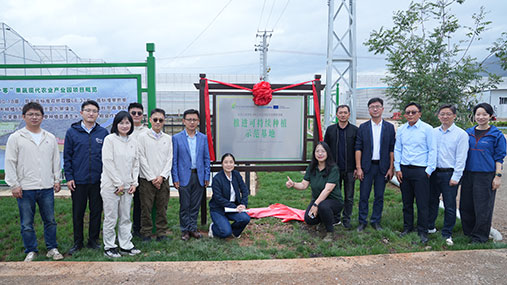
Figure 1. SAFE Project Promoting Sustainable Cultivation Demonstration in Yunnan Province
As an international platform dedicated to promoting the transformation of the global agrifood systems towards greater sustainability, higher efficiency, and stronger resilience, WAFI has always paid attention to and supported practical innovations like the SAFE Project. The concept of green circulation advocated by the SAFE Project is highly consistent with the theme of WAFI 2025, which is "Resilient Food Supply For Agrifood Systems Transformation.” Moreover, its practical approach of cross-sector collaboration and full-chain integration provides a valuable reference model for WAFI to promote in-depth integration of government, industry, academia, and research.
In this issue of the dialogue, we have specially invited representatives of the SAFE Project to conduct an in-depth interpretation of the project's initiation background, practical achievements, and future vision. We aim to explore how green circulation can reshape China's agricultural product supply chain and provide a Chinese solution for global agricultural innovation.
The Origin of the SAFE Project: Why Agricultural Product Circulation?
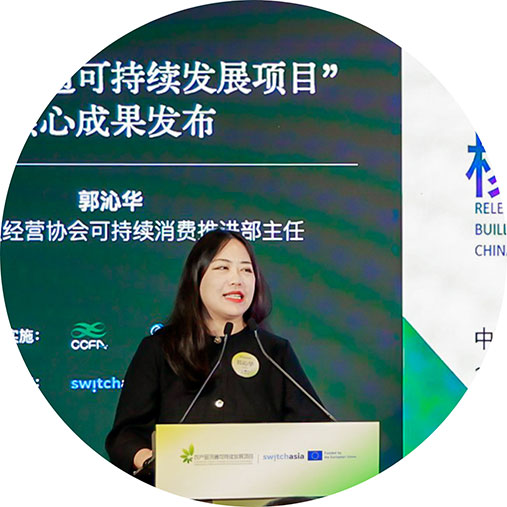
Qinhua Guo, Director of the Sustainable Consumption Promotion Department of CCFA and SAFE Project Coordinator
Q: Director Guo, why did the SAFE Project choose to focus on agricultural product circulation? What was the original intention?
A: China is a major agricultural country, with fresh fruits and vegetables accounting for a large market share. However, the high loss rate in the circulation link not only increases the burden on farmers but also restricts the high - quality development of agriculture. Through the baseline survey of the project, we found that the problems are concentrated in several aspects: farmers lack training in sustainable planting, the circulation chain is long, and the packaging standardization is insufficient. There is a lack of long - term cooperation mechanisms between enterprises, while consumers' demand for green, safe, and traceable food is rising rapidly.
These challenges indicate that a single enterprise or a single link cannot solve the problems independently. It is necessary to promote the upgrading of the entire chain through cross - sector collaboration. Against this background, the SAFE Project was initiated. It aims to promote the green transformation of agricultural product circulation through standard guidance, training empowerment, and enterprise collaboration.
Research Perspective: How Circulation Can Drive Supply-Side Reform
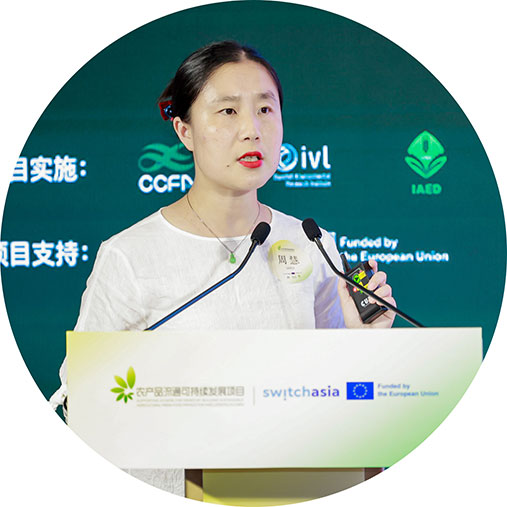
Hui Zhou, Associate Researcher at the Institute of Agricultural Economics and Development (IAED)
Q: Dr. Zhou, what role did IAED play in the project? What key findings emerged from your research?
A: With the increase in per capita GDP, Chinese consumers' demand for "eating nutritiously and healthily" is constantly growing, which puts forward new requirements for the supply system. If the supply side cannot meet this demand, it will lead to "consumption spillover.” Circulation is a crucial gateway for regulating the supply-demand structure.
The exploration of the SAFE Project has put forward a new path for the industry: “circulation affects supply, and standards drive production in reverse.” By formulating group standards, promoting the use of turnover crates, and integrating them into enterprise procurement mechanisms, the project has realized the improvement of the production end driven by the circulation end in reverse. This not only reduces losses and resource waste but also enhances the sustainable development capacity of farmers and cooperatives.
International Cooperation: How Life Cycle Thinking Adds Value
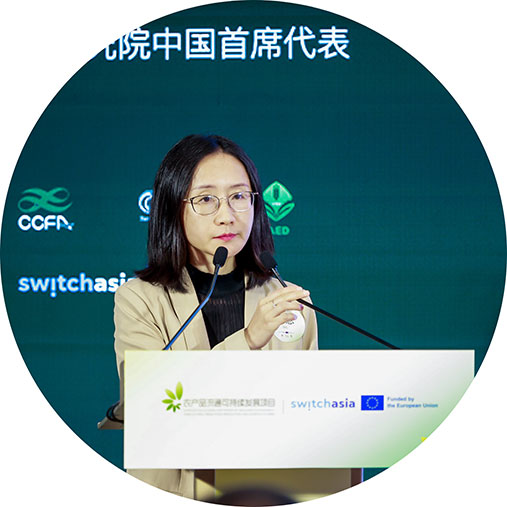
Si Gao, China Chief Representative of IVL Swedish Environmental Research Institute
Q: Dr. Gao, as a leading European environmental research institute, how has IVL supported the SAFE Project?
A: IVL's contributions mainly focus on two aspects: methodology and international cooperation. We have introduced life-cycle thinking into the project and conducted a full-life-cycle carbon footprint and cost assessment of turnover crates. The research shows that within a transportation distance of 1,000 kilometers, standardized turnover crates can reduce carbon emissions by nearly 50% compared with disposable packaging.
Up to now, the SAFE Project has promoted the use of turnover crates for a total of 6.11 million times, resulting in a very considerable reduction in carbon emissions. This not only provides a scientific basis for the project but also offers a reference for the formulation of policies related to China's agricultural green circulation in the future.
In addition, we have promoted the alignment of the project's achievements with international standards through expert seminars, China-Europe dialogues, and the introduction of experience. This makes the SAFE Project not only a practical model in China but also a demonstration project for China-Europe cooperation.
Achievements and Impact: A Replicable Green Pathway
Q: What key achievements has the SAFE Project made so far? Can its outcomes be replicated?
A from Qinhua Guo:
After three and a half years, the SAFE Project has formed a complete, replicable, and promotable path:
Standards: Formulated tool standards such as food safety management for agricultural products and operation specifications for turnover crate operations.
Training: Developed teaching materials and video courses, covering more than 10,000 farmers and over 2,000 cooperatives.
Enterprises: Cooperated with enterprises such as Freshippo, Pagoda, Heytea, and SPAR China to integrate the green circulation mechanism into supply chain management.
Policy: Submitted policy recommendations to relevant ministries and commissions, and carried out cooperation with Ningxia, Jiangsu, Shandong, and other regions to promote the implementation of training and standards;
More importantly, the SAFE Project has stimulated the endogenous motivation of farmers at the grassroots level, enhanced the green competitiveness of enterprises, and provided a reference model at the policy level. It is gradually becoming an important platform for promoting the construction of China's green circulation system.
Looking Ahead: From Pilots to Industry Upgrading
Q: What are the future directions for the SAFE Project?
A from Hui Zhou:
Looking ahead, the SAFE Project will expand in four directions:
1. Promote the institutionalization of standards, enabling enterprises to incorporate the achievements into their procurement systems;
2. Expand enterprise participation, and promote more green bases and standardized turnover crates;
3. Deepen policy coordination, and integrate training and mechanisms into local policies;
4. Expand international exchanges, and export China's practical experience in green circulation;
The conclusion of the SAFE Project is not the end, but a new starting point for the green transformation of agriculture. We hope that through the consolidation of mechanisms, more farmers and enterprises will participate together to promote the modernization of agriculture and the sustainable transformation of the global food system.
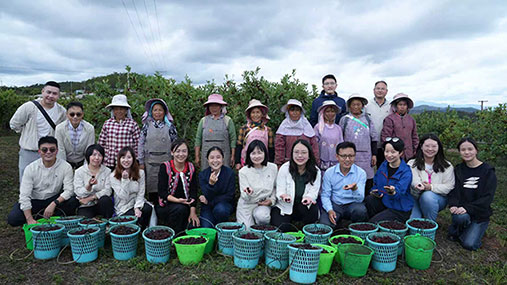
Figure 2. SAFE Project Promoting Sustainable Cultivation Demonstration in Yunnan Province
Conclusion
As China's first comprehensive initiative focusing systematically on the green circulation of agricultural products, the SAFE Project not only responds to the needs of China's agricultural modernization and the "dual carbon" goals but also provides a practical "Chinese solution" for the sustainable transformation of the global food system.
On the international stage of WAFI2025, the exploration and achievements of the SAFE Project will further expand its influence and become an important part of global green agricultural innovation.
We would like to express our sincere gratitude to Director Qinhua Guo, Dr. Hui Zhou, and Dr. Si Gao for their profound insights and valuable practical sharing! Their profound professional accumulation and systematic thinking in the green circulation of agricultural products, cross-field collaboration, and international cooperation have provided us with an important perspective for understanding the transformation of sustainable food supply chains in China and even the world. We look forward to hearing more progress and innovative achievements of the SAFE Project at the WAFI2025 Conference.
This WAFI Dialogue has conducted in-depth discussions on core issues such as the systemic bottlenecks in the green circulation of agricultural products, the promotion of turnover crate standardization, policy-enterprise coordination, and the assessment of low-carbon paths.
WAFI is committeed to promote interdisciplinary and cross-sector sustainable innovation in agrifood systems. We are looking forward to working with practical projects like the SAFE Project to place key issues at the core of global agrifood dialogues. If you are interested in the WAFI Dialogue series events and future cooperation directions, please obtain more participation information through office@wafiforum.com


Warning: Beware of Scammers
The World AgriFood Innovation Conference is committed to protecting the privacy of our Clients. Recently, we have received reports of individuals posing as conference staff and attempting to obtain money by selling fake lists of attendees or other sensitive information. We hereby declare for the record that the World AgriFood Innovation Conference will never sell information about any attendees or partners. We strictly abide by relevant national laws and regulations, and give your personal information the highest level of protection.
If you receive any email or phone call claiming to be from the Conference asking you to pay for data or provide personal information, please be vigilant and do not believe it; And check with the Organizing committee in time [work@wafiforum.com]
Know More